Guides
Expert guides on training, nutrition, and running science
Race Strategy
Race Day Splits: Even, Negative, and Positive Pacing Strategies Explained
Your split strategy determines whether you finish strong or fade into survival mode. Here's the physiology behind even, negative, and positive splits — and how to calculate a pace chart for any race distance.

Training Science
Running Fatigue Index Explained — Are You Speed-Biased or Endurance-Biased?
The fatigue index compares your short and long race performances to reveal whether you're better at speed or endurance. Learn how it works, what it means, and how to train your weakness.
Training Science
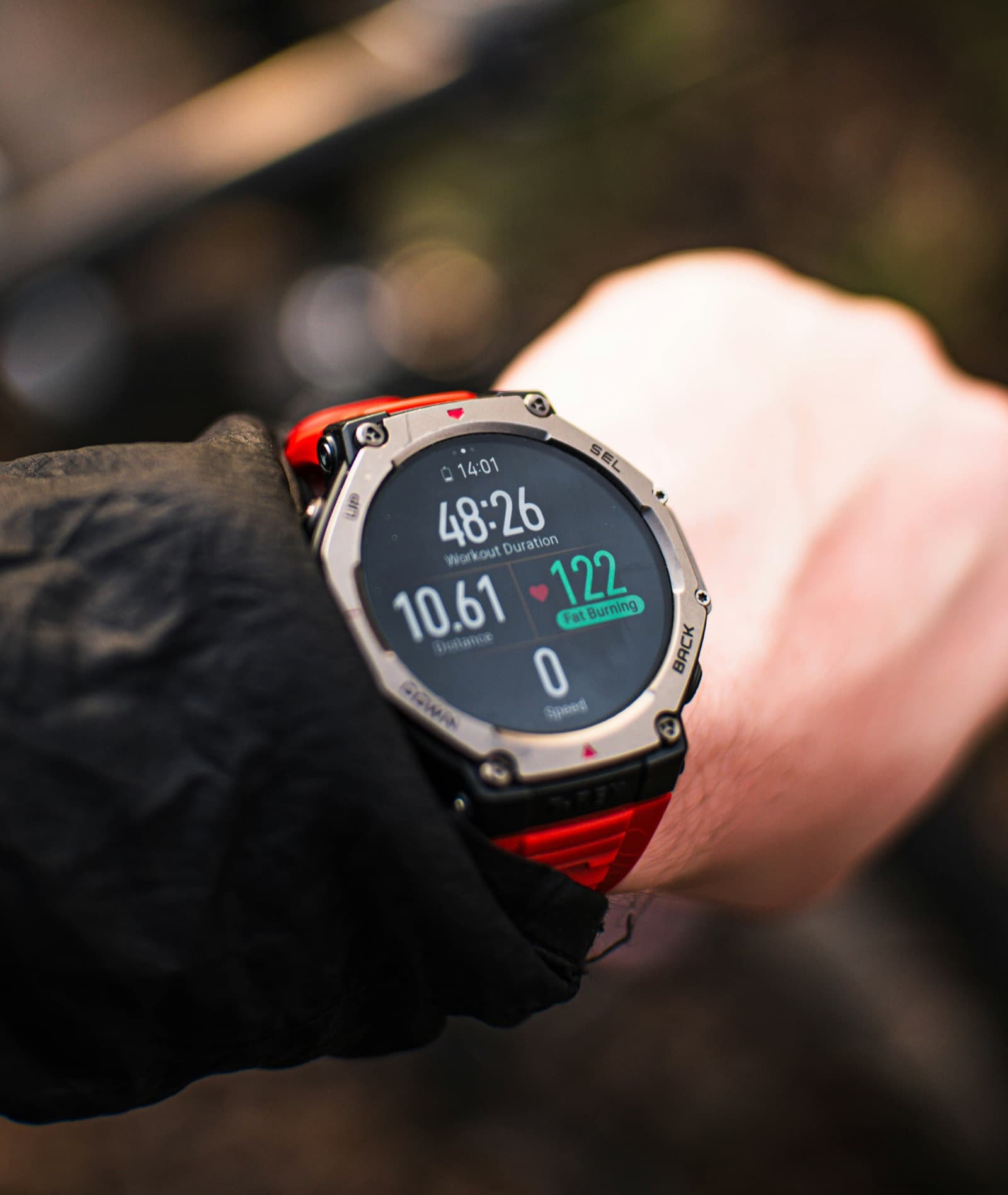
How to Find Your True Maximum Heart Rate
The 220 − age formula is a rough estimate with ±12 BPM error. Here are five better methods — from a simple hill test to a lab-grade protocol — so your heart rate zones are actually accurate.
Nutrition
Marathon Calorie Guide: How to Fuel Your Weekly Training Load
Running 70 km per week burns substantially more energy than most training apps report. Here's how to calculate your actual training calorie needs using MET values and body weight, and how to structure your weekly fueling.

Nutrition
Sweat Rate and Hydration: How Much Should You Actually Drink?
The old 'drink before you're thirsty' advice led to over-hydration deaths. The new science is more nuanced — and more personalised. Here's how to calculate your individual sweat rate and build a race-day hydration strategy.

Nutrition
Race Day Carb Fueling: The Science of Not Bonking
Carbohydrate depletion — 'hitting the wall' — is a predictable, preventable event. Here's the physiology behind glycogen depletion and a practical per-hour fueling strategy for every race distance.

Training Science
Lactate Threshold Explained: The Science of Sustainable Speed
Understand LT1 and LT2 — the two lactate thresholds that define your endurance ceiling. Learn the physiology, how to estimate your thresholds from race data, and how to train them effectively.

Training Science
The Norwegian Double Threshold Method: How Elite Runners Train Twice a Day
Inside the training system that produced Ingebrigtsen, Warholm, and a generation of Norwegian champions. Learn why two threshold sessions per day — done correctly — produces faster adaptation than one.

Injury Prevention
Shin Splints vs. Stress Fractures: Know the Difference Before It's Too Late
Shin pain during running can signal anything from a minor overuse injury to a serious bone stress fracture. The two conditions look similar on the surface but need completely different treatment. Here's how to tell them apart.

Injury Prevention
IT Band Syndrome: Why It Happens and How to Actually Fix It
Iliotibial band syndrome is one of the most persistent running injuries — and one of the most misunderstood. The classic treatment advice is often wrong. Here's what the evidence shows.

Injury Prevention
Runner's Knee: Causes, Prevention, and a Return-to-Running Plan
Patellofemoral pain syndrome (PFPS) — commonly called runner's knee — is the most prevalent running injury. Here's the science behind why it happens and exactly how to fix it.

Beginner Guides
Choosing the Right Training Model: A Complete Guide to Science-Based Running Methods
From VDOT and Critical Speed to lactate thresholds, polarized training, and the Norwegian double threshold method — this guide explains every major training model, where each excels, and which one to start with.

Training Science
Critical Speed: The Training Metric Serious Runners Use
Critical Speed is the most powerful and least-known metric in running science. It defines the boundary between sustainable and unsustainable speed — and it can transform how you train.

Training Science
How Race Time Predictors Work — The Maths Behind the Magic
Every race time predictor is built on one of a handful of mathematical models. Here's how they work, where they're accurate, and where they fail — so you can use them intelligently.
Training Science
The 5 Training Zones Explained: Run Smarter, Not Harder
A science-backed breakdown of the five training zones — what they are, what they do to your body, and exactly how to use them to build fitness the right way.

Training Science
Understanding VDOT: The Science Behind Your Training Paces
Discover how VDOT scores work and why they're essential for determining your optimal training paces. Learn the science behind Jack Daniels' revolutionary running formula.